District Consultative Committee
District Level Review Committee
West Garo Hills
District Level Review Committee
West Garo Hills
Welcome to the District Consultative Committee, District Level Review Committee, West Garo Hills Website.
The District Consultative Committee is a collaborative platform that brings together various stakeholders to ensure effective coordination, implementation, and monitoring of government schemes and programs at the district level.
District Consultative Committees (DCCs) were constituted in the early seventies as a common forum at the district level for bankers as well as Government agencies/ departments to facilitate coordination in implementing various developmental activities under the Lead Bank Scheme. The District Collector is the Chairman of the DCC meetings. RBI, NABARD, all commercial banks including Small Finance Banks, WOS of Foreign Banks, RRBs, PBs, State / District Central Co-operative Banks, various State Government departments and allied agencies are the members of the DCC. The LDO represents the RBI as a member of the DCC. The LDM convenes the DCC meetings. The Director of Micro, Small and Medium Enterprises Development Institute (MSME-DI) in the district is an invitee in districts where MSME clusters are located to discuss issues concerning MSMEs.
While Lead Banks are expected to address the problems particular to the concerned districts, some of the important areas common to all districts, which the Lead Banks should invariably discuss in the fora are as under:
Apart from the usual role of LDMs like convening meetings of the DCC and District Level Review Committee (DLRC) and periodical meetings of DDM/ LDO/ Government officials for resolving outstanding issues etc., the new functions envisaged for LDMs include the following:
DLRC meetings are chaired by the District Collector and attended by members of the DCC. Public Representatives, i.e., Local MPs/MLAs/ Zilla Parishad Chiefs are also invited to these meetings. The DLRC meetings should be convened by the Lead Banks at least once in a quarter. The DLRC is a forum to review the pace and quality of implementation of various programmes under the LBS in the district. Hence, association of non-officials is considered useful. Public representatives (MPs/ MLAs / Zilla Panchayat Chiefs) shall invariably be invited to DLRC meetings. Therefore, Lead Banks should fix the date of DLRC meetings with due regard to the convenience of the representatives of the public, i.e., MPs/MLAs etc., to invite and involve them in all functions conducted by the banks in their districts, such as opening of new banking outlets, distribution of Kisan Credit Cards (KCCs), Self Help Group (SHG) credit linkage programmes, etc. Responses to queries from public representatives need to be accorded highest priority and attended to promptly. The forum may also have representatives of State Minority Commission, SC/ST Corporation and representatives of the group of beneficiaries of rural lending. The forum may also consider inviting people with expertise in fields, such as progressive farmers and local industrialists as special invitees.
Block Level Bankers’ Committee (BLBC) is a forum for achieving coordination between credit institutions and field level development agencies at the block level. The forum prepares and reviews the implementation of the Block Credit Plan and resolves operational issues in the implementation of the credit programmes of banks. The Lead District Manager (LDM) of the district is the Chairman of the BLBC. All the banks operating in the block including Small Finance Banks (SFBs), Wholly Owned Subsidiaries (WOS) of Foreign Banks, Regional Rural Banks (RRBs), District Central Co-operative Banks (DCCBs), Block Development Officer, technical officers in the block such as extension officers for agriculture, industries and co-operatives are members of the Committee. BLBC meetings are held at quarterly intervals. To strengthen the BLBC forum, which operates at the base level of the LBS, it is necessary that all branch managers attend BLBC meetings and enrich the discussions with their valuable inputs. Controlling Heads of banks may also attend a few of the BLBC meetings selectively. Participation by the District Development Manager (DDM) of NABARD in BLBCs would ensure better and more meaningful discussions for the development of the Block. Therefore, NABARD has been advised that DDMs should attend all BLBC meetings in their districts and actively participate in the credit planning exercise and review meetings at the block level. The Lead District Officer (LDO) of 5 the RBI selectively attends the BLBC meetings. Representatives of Panchayat Samitis are also invited to attend the meetings at half yearly intervals to share their knowledge and experience on rural development in the credit planning exercise. Payments Banks (PBs) should also be invited to attend the meetings.
Constitution of DCC:
District Consultative Committees (DCCs) were constituted in the early seventies as a common forum at the district level for bankers as well as Government agencies/ departments to facilitate coordination in implementing various developmental activities under the Lead Bank Scheme. The District Collector is the Chairman of the DCC meetings. RBI, NABARD, all commercial banks including Small Finance Banks, WOS of Foreign Banks, RRBs, PBs, State / District Central Co-operative Banks, various State Government departments and allied agencies are the members of the DCC. The LDO represents the RBI as a member of the DCC. The LDM convenes the DCC meetings. The Director of Micro, Small and Medium Enterprises Development Institute (MSME-DI) in the district is an invitee in districts where MSME clusters are located to discuss issues concerning MSMEs.
Objectives:
- To ensure effective coordination and implementation of government schemes and programs.
- To facilitate communication and collaboration among departments, banks, and beneficiaries
- To identify and address bottlenecks and challenges in scheme implementation.
- To monitor progress and review performance regularly.
- To provide a platform for beneficiaries to share their feedback and suggestions.
Conduct of DCC Meetings:
- DCC meetings should be convened by the Lead Banks at quarterly intervals.
- At the DCC level, sub-committees as appropriate, may be set up to work intensively on specific issues and submit reports to the DCC for its consideration.
- DCC should give adequate feedback to the SLBC (State level bankers Committee) on various issues that need to be discussed on a wider platform, so that these receive adequate attention at the state level.
Agenda for DCC Meetings:
While Lead Banks are expected to address the problems particular to the concerned districts, some of the important areas common to all districts, which the Lead Banks should invariably discuss in the fora are as under:
- Review of progress under Financial Inclusion Plan (FIP)
- Specific issues inhibiting and enabling IT enabled financial inclusion
- Issues to facilitate 'enablers' and remove/minimise 'impeders' for banking development for inclusive growth
- Monitoring initiatives for providing 'Credit Plus' activities by banks and State Governments, such as, setting up of Financial Literacy Centres (FLCs) and RSETI1 type Training Institutes for providing skills and capacity building to manage businesses.
- Scaling up financial literacy efforts to achieve financial inclusion
- Review of performance of banks under District Credit Plan (DCP).
- Flow of credit to priority sector and weaker sections of the society.
- Enhancing Farmers’ Income
- Grant of educational loans
- Assistance under Government sponsored schemes
- Progress under SHG - bank linkage.
- SME financing and bottlenecks thereof, if any
- Timely submission of data by banks
- Review of relief measures (in case of natural calamities wherever applicable) The above list is illustrative and not exhaustive. Lead Banks may include any other agenda item considered necessary.
Role of Lead District Managers:
Apart from the usual role of LDMs like convening meetings of the DCC and District Level Review Committee (DLRC) and periodical meetings of DDM/ LDO/ Government officials for resolving outstanding issues etc., the new functions envisaged for LDMs include the following:
- Monitoring the implementation of the District Credit Plan
- Associate with the setting up of Financial Literacy Centres (FLCs), RSETIs by banks
- Associate with organizing financial literacy camps by FLCs and rural branches of banks
- Holding annual sensitisation workshops for banks and Government officials with participation by NGOs/Panchayati Raj Institutions (PRIs) .
- Arranging for quarterly awareness and feedback public meetings, grievance redressal, etc.
District Level Review Committee Meetings (DLRC):
DLRC meetings are chaired by the District Collector and attended by members of the DCC. Public Representatives, i.e., Local MPs/MLAs/ Zilla Parishad Chiefs are also invited to these meetings. The DLRC meetings should be convened by the Lead Banks at least once in a quarter. The DLRC is a forum to review the pace and quality of implementation of various programmes under the LBS in the district. Hence, association of non-officials is considered useful. Public representatives (MPs/ MLAs / Zilla Panchayat Chiefs) shall invariably be invited to DLRC meetings. Therefore, Lead Banks should fix the date of DLRC meetings with due regard to the convenience of the representatives of the public, i.e., MPs/MLAs etc., to invite and involve them in all functions conducted by the banks in their districts, such as opening of new banking outlets, distribution of Kisan Credit Cards (KCCs), Self Help Group (SHG) credit linkage programmes, etc. Responses to queries from public representatives need to be accorded highest priority and attended to promptly. The forum may also have representatives of State Minority Commission, SC/ST Corporation and representatives of the group of beneficiaries of rural lending. The forum may also consider inviting people with expertise in fields, such as progressive farmers and local industrialists as special invitees.
Block Level Bankers’ Committee (BLBC):
Block Level Bankers’ Committee (BLBC) is a forum for achieving coordination between credit institutions and field level development agencies at the block level. The forum prepares and reviews the implementation of the Block Credit Plan and resolves operational issues in the implementation of the credit programmes of banks. The Lead District Manager (LDM) of the district is the Chairman of the BLBC. All the banks operating in the block including Small Finance Banks (SFBs), Wholly Owned Subsidiaries (WOS) of Foreign Banks, Regional Rural Banks (RRBs), District Central Co-operative Banks (DCCBs), Block Development Officer, technical officers in the block such as extension officers for agriculture, industries and co-operatives are members of the Committee. BLBC meetings are held at quarterly intervals. To strengthen the BLBC forum, which operates at the base level of the LBS, it is necessary that all branch managers attend BLBC meetings and enrich the discussions with their valuable inputs. Controlling Heads of banks may also attend a few of the BLBC meetings selectively. Participation by the District Development Manager (DDM) of NABARD in BLBCs would ensure better and more meaningful discussions for the development of the Block. Therefore, NABARD has been advised that DDMs should attend all BLBC meetings in their districts and actively participate in the credit planning exercise and review meetings at the block level. The Lead District Officer (LDO) of 5 the RBI selectively attends the BLBC meetings. Representatives of Panchayat Samitis are also invited to attend the meetings at half yearly intervals to share their knowledge and experience on rural development in the credit planning exercise. Payments Banks (PBs) should also be invited to attend the meetings.
Chairman, DCC
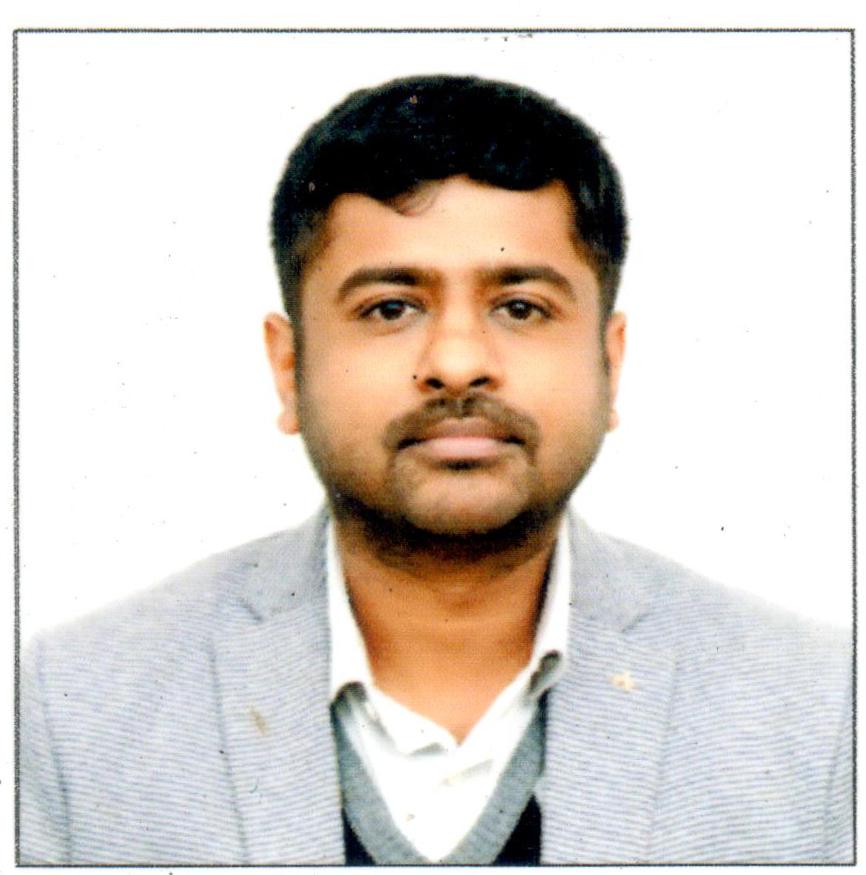
Shri. Vibhor Aggarwal, IAS
Footer
Right Footer